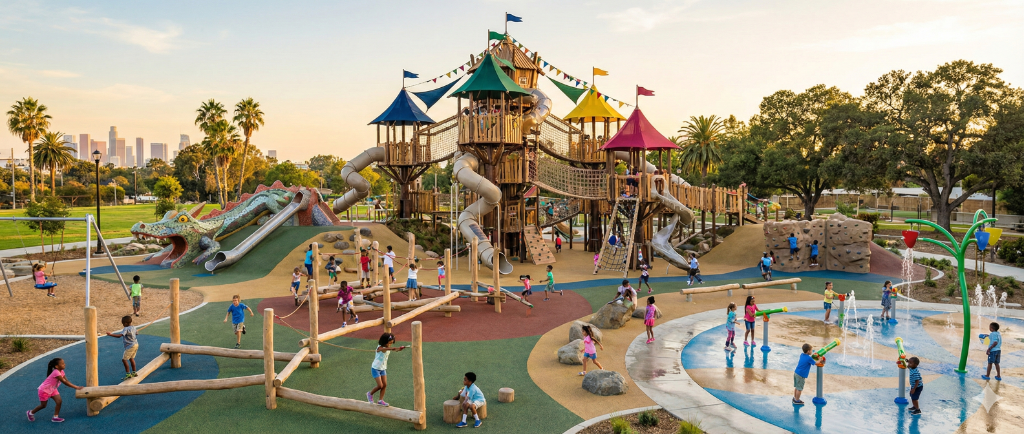
Playground surfacing is a critical component of risk management designed to attenuate the impact of a fall from equipment. In the context of playground safety, surfacing systems are assessed to ensure they provide a necessary level of performance based on the specific equipment fall height. It is important to distinguish between the equipment itself and the surfacing installed beneath it, as different safety frameworks address these elements independently. For instance, in Singapore, SS 457:2017 provides guidance for public playground equipment, while various international frameworks address surfacing performance. When evaluating surfacing, one must look at the complete system, which includes the material, binder, individual layers, thickness, substrate, drainage, and installation method. There is no universal thickness that guarantees safety for all scenarios; performance must be validated against the specific equipment's fall height. The equipment fall height is determined by the specific definition provided by the manufacturer for the item, not necessarily the highest accessible point. Impact performance is often evaluated using laboratory testing to determine the Critical Fall Height (CFH). This is the height at which the surface is tested to ensure that the Head Injury Criterion (HIC) and peak deceleration (g-max) remain within established safety limits. Laboratory test reports for a surfacing system at a specific thickness do not automatically guarantee the performance of that material once installed, aged, or subjected to environmental wear. Field testing, such as that described in ASTM F3313-20, can be used to assess the condition of installed surfaces. Maintenance is essential for all surfacing types, including unitary rubber systems and loose-fill materials, as factors like climate, drainage, and site use significantly impact performance over time. Visual inspections alone cannot verify a surface's current impact attenuation capabilities. Site operators should establish a regular inspection and maintenance program based on manufacturer instructions, usage patterns, and site-specific environmental conditions. Any identified hazards should be prioritized by severity and accessibility, and appropriate corrective actions taken by competent personnel using approved methods. For specifications regarding a particular project, refer to the applicable local standards and the manufacturer documentation provided for the equipment and surfacing materials.
Kinderbuild Team
Guides to playground planning, maintenance and safety considerations in Singapore. Project-specific compliance requires assessment against the applicable standards and supporting documentation.